THE HISTORY, LOCATION AND CULTURES
In order to comprehend modern day Istanbul you must first learn its history.
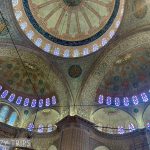
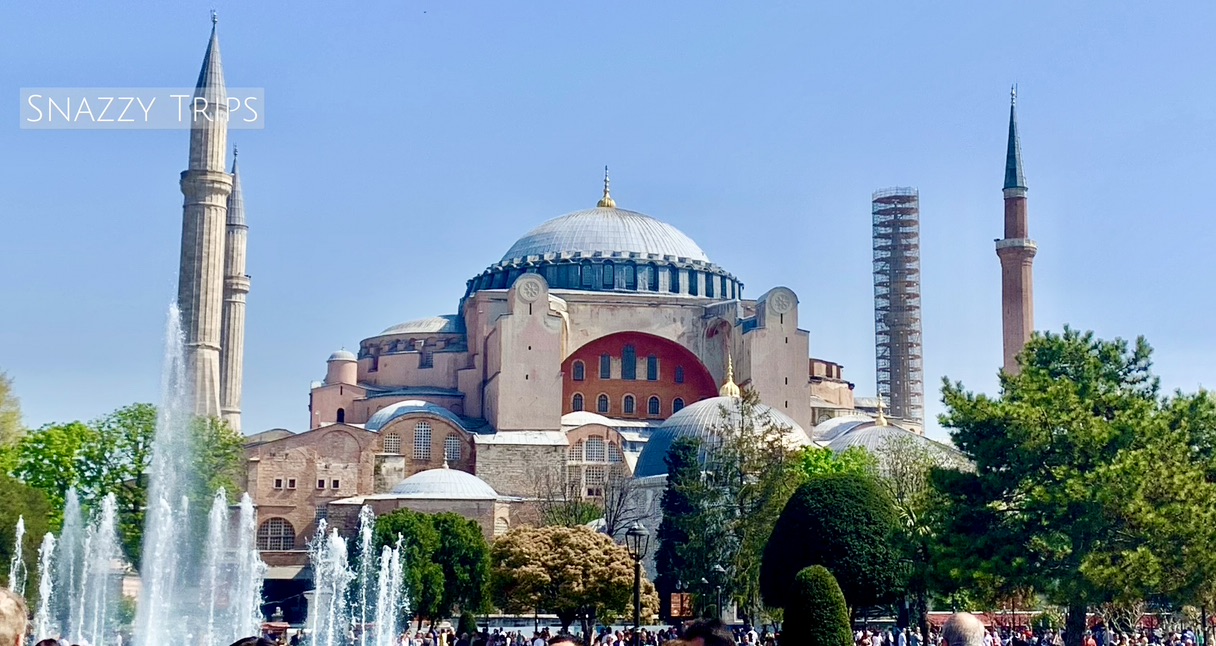
From awe-inspiring landmarks like Hagia Sophia and the Blue Mosque to the bustling energy of the Grand Bazaar and the serene beauty of the Bosphorus, Istanbul offers a unique and unforgettable experience for every traveler. As you explore this timeless city, you’ll be captivated by the enchanting blend of old and new, East and West, that makes Istanbul truly one of a kind.
A Little History
Actually, there is a lot of history to unpack, but I’ll give you a little summary of Istanbul’s history.
Around 660 Before Common Era, Istanbul’s European side was inhabited by Greeks and known as Byzantium. The city then came under the Roman Empire in 73 Common Era. Emperor Constantine The Great came into power in year 324 and called it New Rome, but later changed his mind and named the city after himself, Constantinople, capital of the Byzantine Eastern Roman Empire for the next millennium.
Greek culture and Christianity flourished, many churches were built, invaders from the east were kept out and so was Islam. Constantinople became the largest and wealthiest city in Europe.
But it began to decline in 1025, the city was ravaged by wars and bad political decisions, and by the mid 1300s, the Ottoman Turks slowly started to take over parts of the city. The last Roman Emperor was killed in 1453. Sultan Mehmet II took control.
Thus, the Ottoman Empire was born and Istanbul was newly named and made the capital. Much of the Balkans was captured, along with Hungary and Northern Africa.
Churches were transformed into Mosques. The population was expanded by inviting people from other lands.
‘Suleiman The Magnificent’ was the longest reigning Sultan who fought against Christian dominance in Europe, and made great changes to the city during his reign in the 1500s. He encouraged the arts, education and law with many significant advances. The Ottoman fleet was a force to be reckoned with in the sea-faring world of the Mediterranean.
For almost 500 years the Ottoman Empire continued to be ruled by the same family, 36 rulers one after the other.
In the early 1900s, WWI marked the fall of the Ottoman Empire, after they allied themselves with the wrong side. The Sultanate was abolished, with the last Sultan exiled and he left fleeing to Italy. In 1923 Turkey became a Republic. Turkish General Ataturk took over as first President of Turkey and westernised society by making it a secular state. Istanbul was officially named, no longer to be confused with Constantinople.
Turkey stayed away from WWII but has helped the US
Istanbul has been and still is a bridge between two continents, Thracian, the European part and Anatolian the Asian part, both geographically and politically.
A Unique Geographical Location
Since the Republic of Turkey was proclaimed in October 1923, Istanbul grew and extended its geographical borders across the Bosphorus River into the Asian continent.
strategic location, Istanbul was central to the region’s trade routes, which linked Europe, Iran, the Arabian peninsula, the Horn of Africa, the Caucasus, the Russian steppe, the Balkans, and the Mediterranean Basin
A Blend Of Cultures
So you see, Istanbul has been the capital of several ancient empires which has left a rich legacy on the city. a captivating city with a blend of cultures