THE ANCIENT CITY BURIED BY VOLCANIC ERUPTION
You must see Pompeii in Italy! The ancient Roman city buried under hot volcanic ash and pumice from the catastrophic eruption of Mount Vesuvius in the year 79 Common Era.
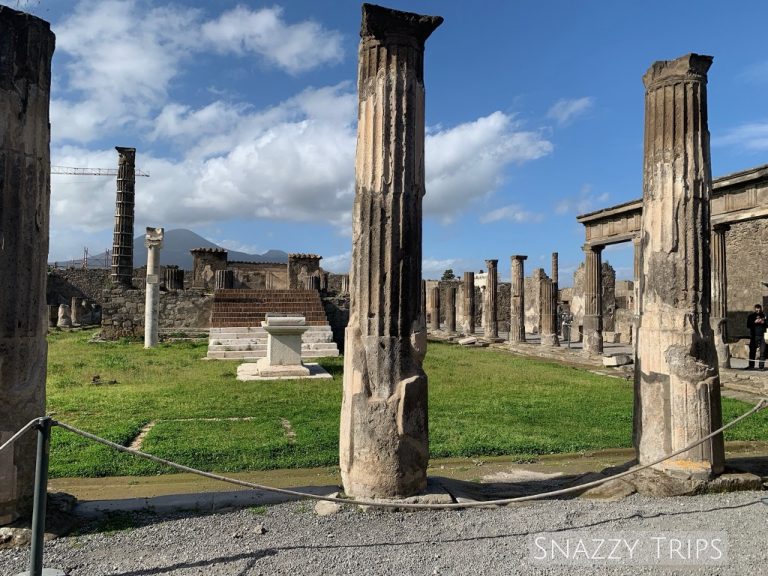
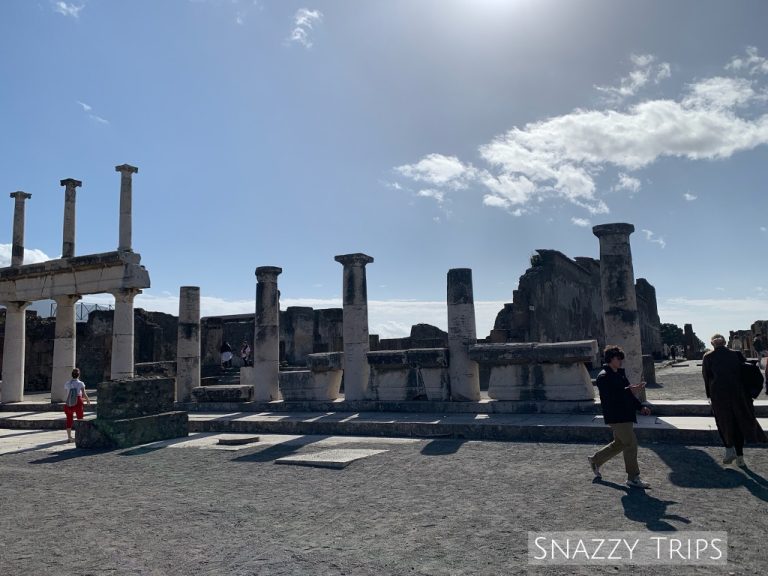
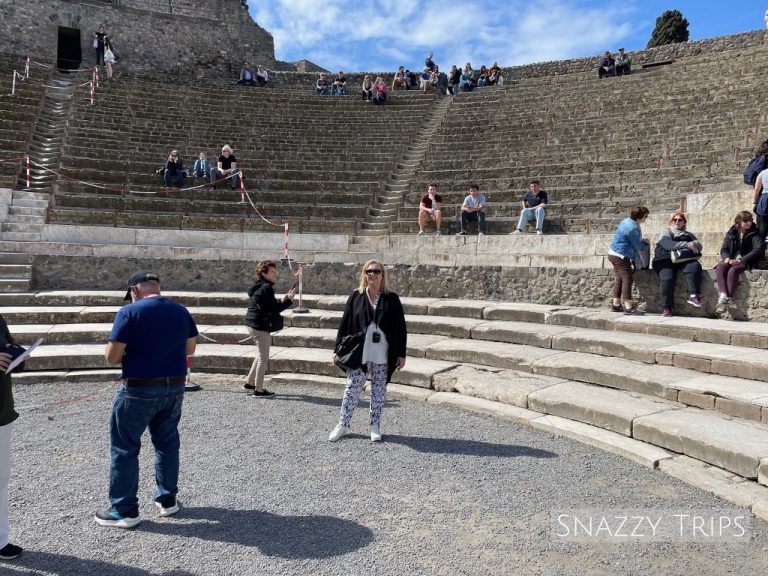
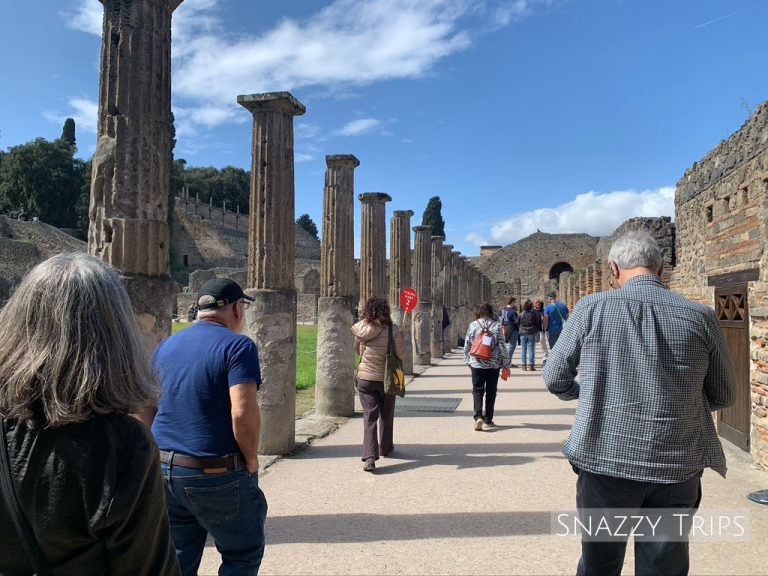
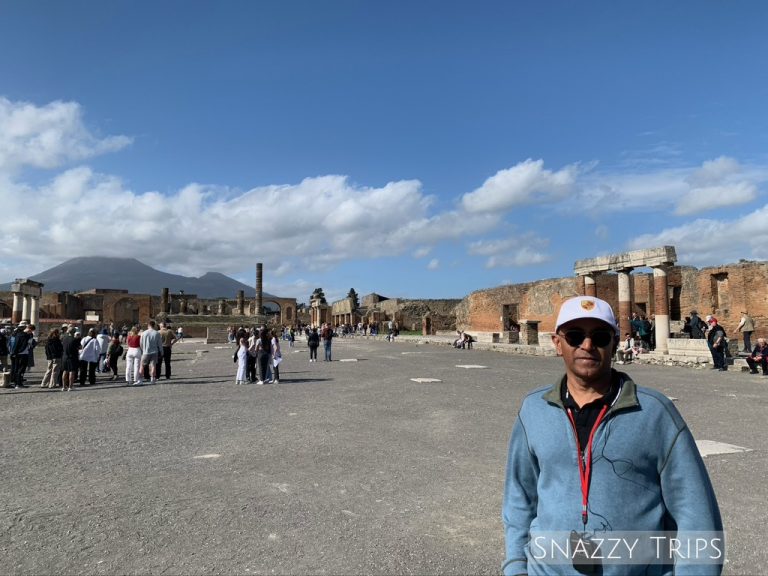
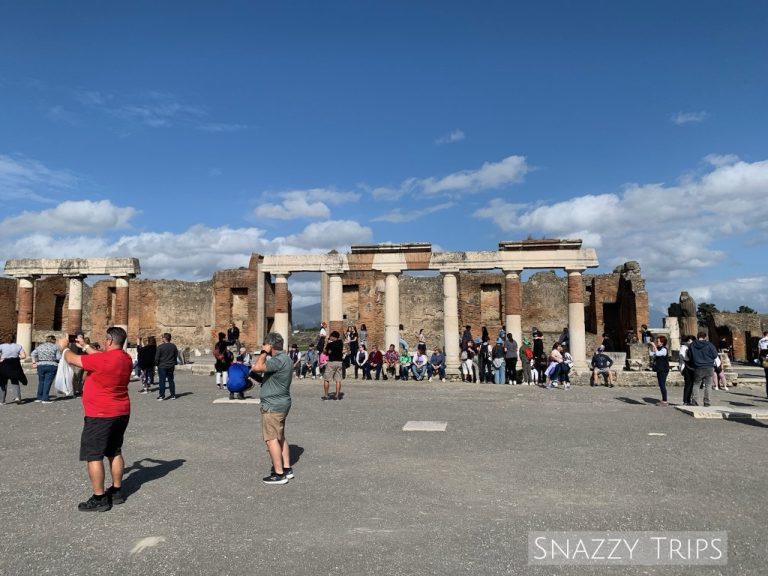
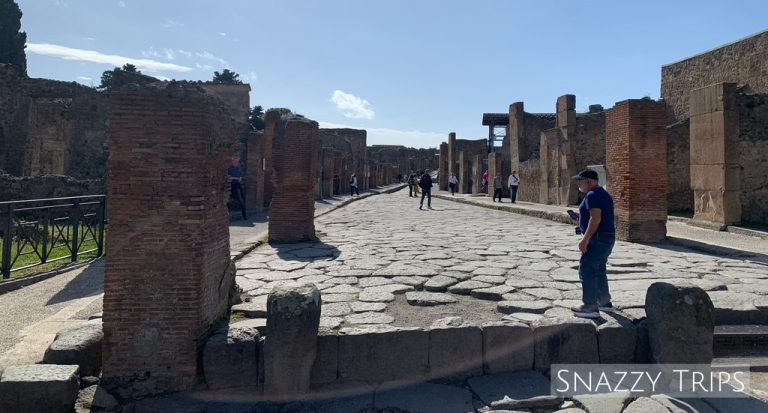
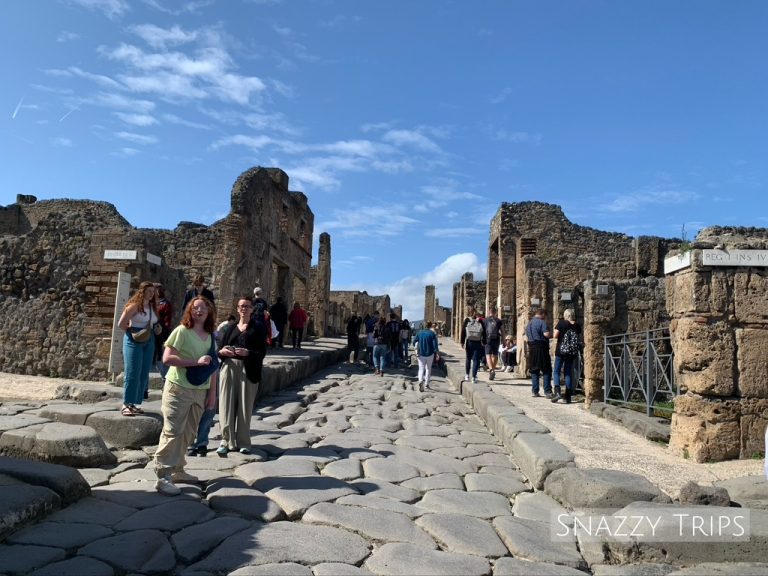
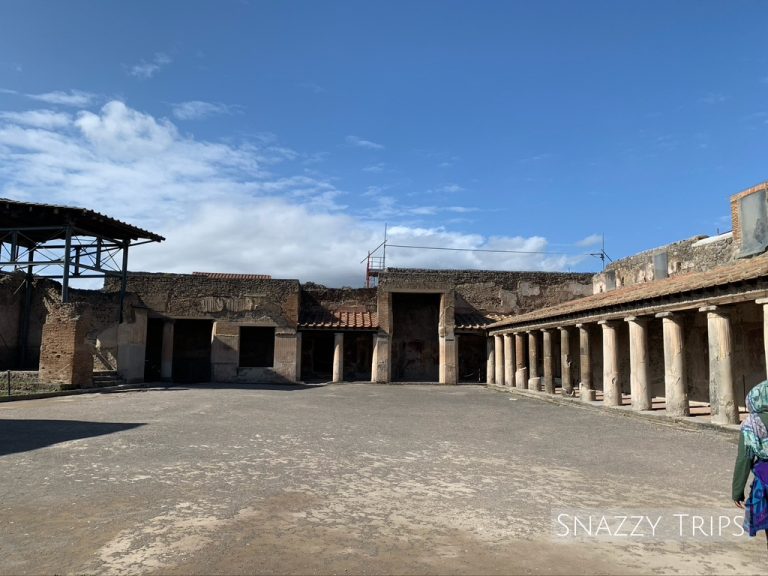
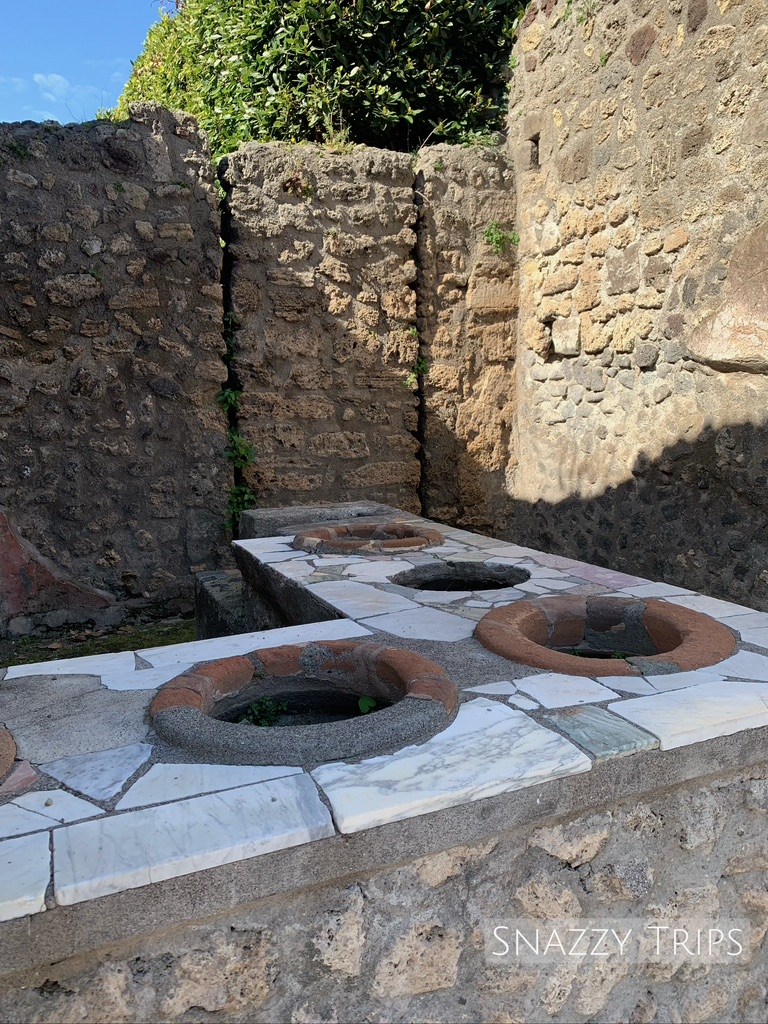
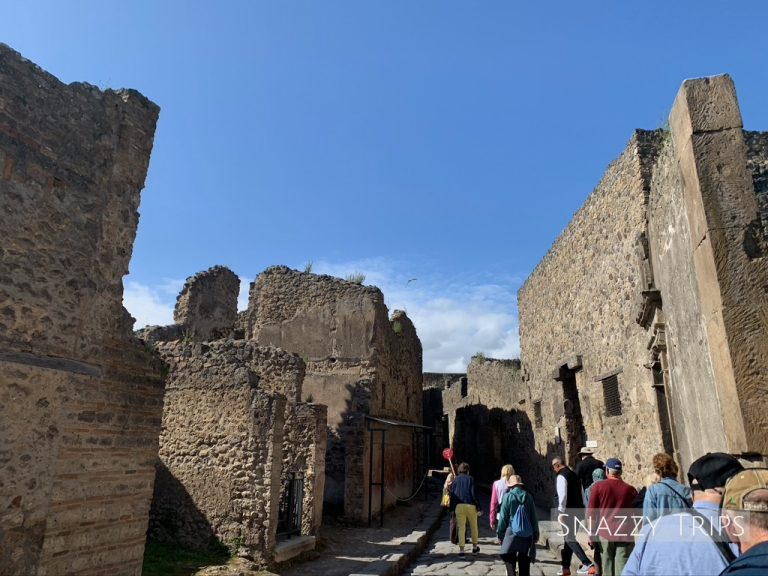
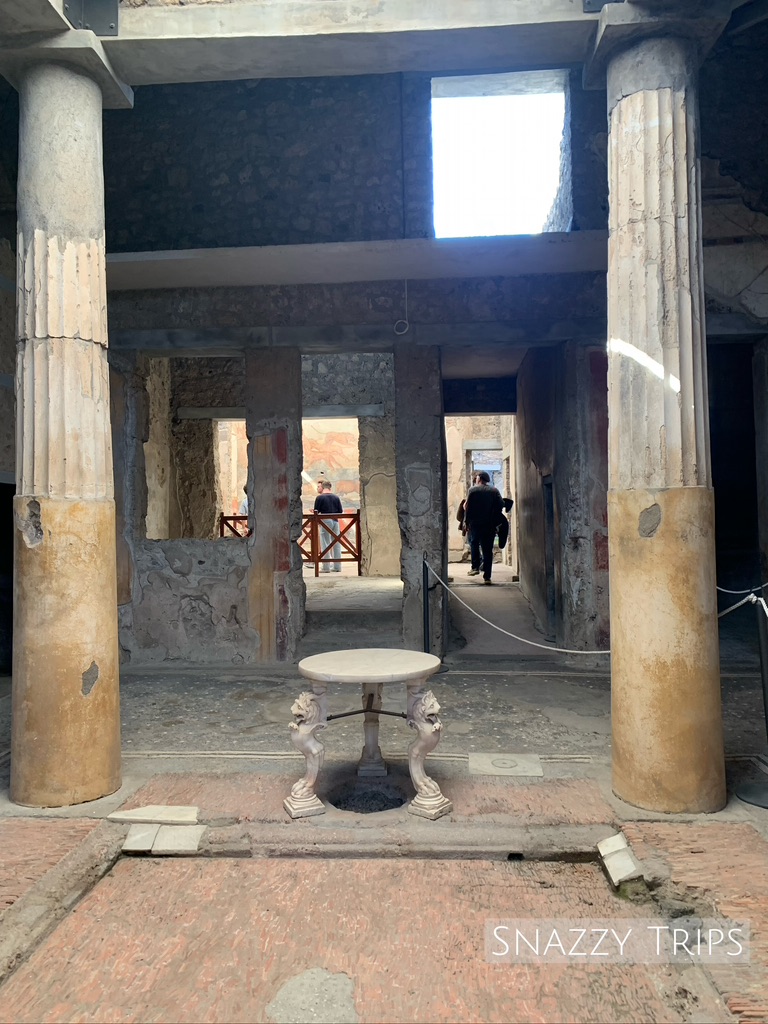
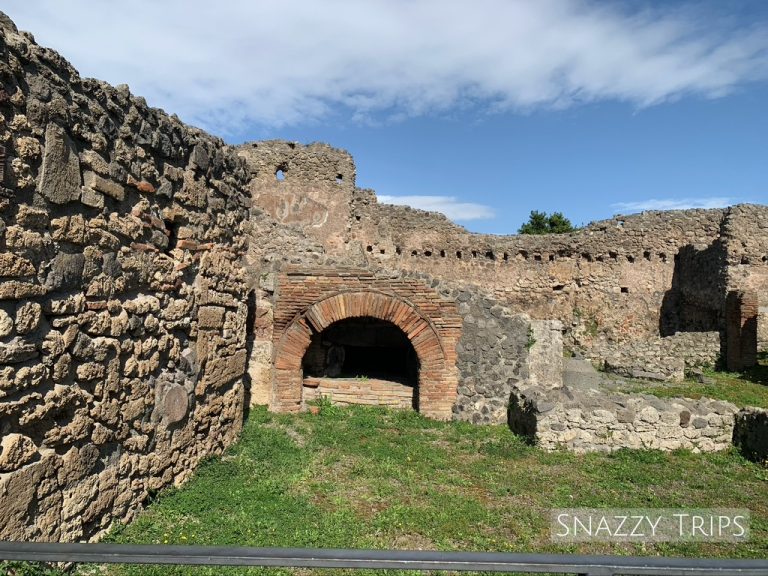
Approximately 20 km from Naples, or a three hour drive from Rome, Pompeii is a perfect day trip on your Italian vacation. If you are interested in history, Roman culture, archaeology or simply enjoy visiting ancient locations, you must see Pompeii, the city lost in time, now a vast open air museum that you can wander the original streets, homes, baths, brothel, arena and more.
It will leave you feeling emotional and quite overwhelmed about what transpired here, as it did me. You will see first hand what tragedy natural disasters can cause.
Huge efforts to excavate the forgotten city have been on-going over the last few centuries, with teams of experts from a wide range of specialties, researching the findings.
The areas that have been discovered now form the Archeological Park of Pompeii which is open to tourists all year round. You will get a glimpse of ancient Roman life as it was on that fateful day of the volcanic eruption. That’s why you must see Pompeii.
Find out all the details you need to know about this famous Unesco World Heritage site, before your visit. Here you’ll get important information, history, tips and advice on visiting one of the most fascinating places in the world.
Photos of Pompeii
Life in Pompeii
The ancient city of Pompeii was a thriving Roman city near the coast of Naples, in Southern Italy, of approximately 15,000 inhabitants, including wealthy people, middle class, poorer people and slaves.
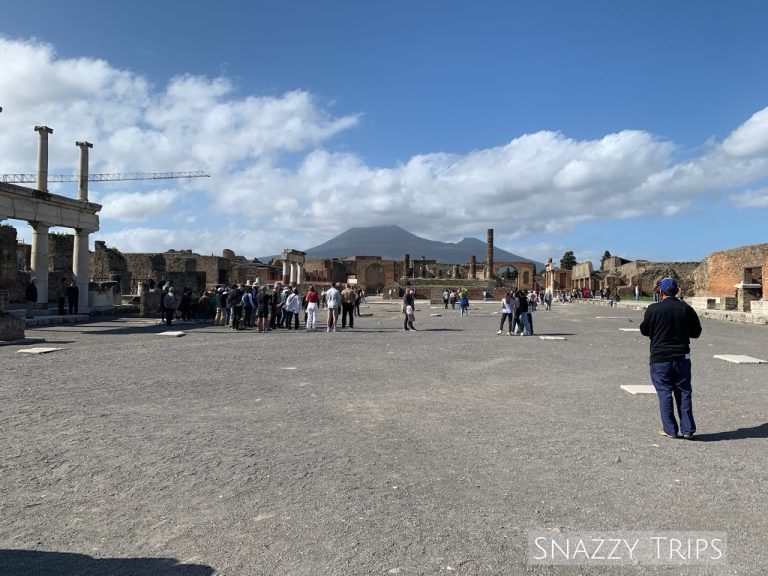
It was home to many farms, villas, temples, bathhouses, shops, factories as well as an arena, theatre, market and forum for gatherings and trade. Commercial boats would dock at the port of Naples and sailors would frequent the city.
It was also a popular summer holiday destination for wealthy Romans, and it was becoming more popular every year.
Apparently, people living there and those visiting were not deterred by the large volcano looming nearby that was threatening to erupt. Earthquakes and tremors had warned of a major catastrophe to come. And boy did it!
What happened to Pompeii?
The people of Pompeii had no idea what was coming one Summer’s day in year 79 of the Common Era when the ground started to rumble prior, a precursor to what was coming. No one expected that what happened would actually happen.
Mount Vesuvius, an active volcano which lies about 25km away from the city of Pompeii, had been dormant for 1,800 years. After several warning signs, the volcano blew its top.
Thankfully many residents decided to flee by foot, on horseback or by boat, just in time before the pumice and toxic black smoke covered everything in its path. But about 2,000 people left it too late to leave, or couldn’t for whatever reason. Some tried to take shelter but nothing was going to save them or their animals.
The city was blanketed, smothering everything very quickly. It must have been terrifying for the poor people left behind, as they became shrouded in darkness, before dying. The eruption lasted for 2 days.
A few residents who had escaped went back afterwards to try to find loved ones or possessions, but the city and its people were effectively preserved under metres deep of volcanic rubble, pumice stones and ash.
After the eruption
The Roman Government at the time, lead by Emperor Titus, did not learn of the disaster in Pompeii immediately. Unlike today, news was slow. Assistance was given to survivors and Titus himself went to visit the site to give financial aid. But no real excavations were done to unearth the city and its buried population, of men, women and children.
As news spread of the disaster, so did the ash cloud and the Roman people were left in shock. It was a time to reflect on the Gods and their role in the destruction, probably why the city was never rebuilt. Future planning for towns would learn from the mistakes of Pompeii.
For many centuries Pompeii remained buried, asleep, forgotten by the world, left frozen in time under the earth. Further eruptions of Mt Vesuvius in later years, buried Pompeii even further, making the area completely unrecognisable.
It is astonishing that search and rescue efforts weren’t made by the authorities immediately, or that the city wasn’t excavated after the eruption. But because it had been completely blanketed with volcanic matter, the exact location of the city was not known. The river had been filled in, as was the harbour, so the coastline had extended out by the eruption. That meant Pompeii was no longer near the coast. Furthermore, the city would have had to have been excavated manually, which at the time, was not feasible.
Excavations of Pompeii
Excavations of the ruins didn’t begin in earnest until many centuries later, in the mid 1800s. The site was officially declared as the lost city of Pompeii in 1763 when the sign res publica Pompeianorum (“state of the Pompeians”) was found.
This is when Archaeology as a discipline was born. Europe developed a thirst for knowledge of ancient Greece and Rome and people became fascinated by the history, art and treasures of the past.
Works on the site are still in progress and new discoveries are very meticulously handled and studied these days, as is the conservation of existing findings. There has been much deterioration to the buildings from weather, pollution, tourism and looters in the past. Also bombings from WWII damaged or destroyed many parts.
It is the longest ongoing excavated archeological site in the world.
There will no doubt be many more findings uncovered in the future, as the world continues to be fascinated by Pompeii and ancient Roman life.
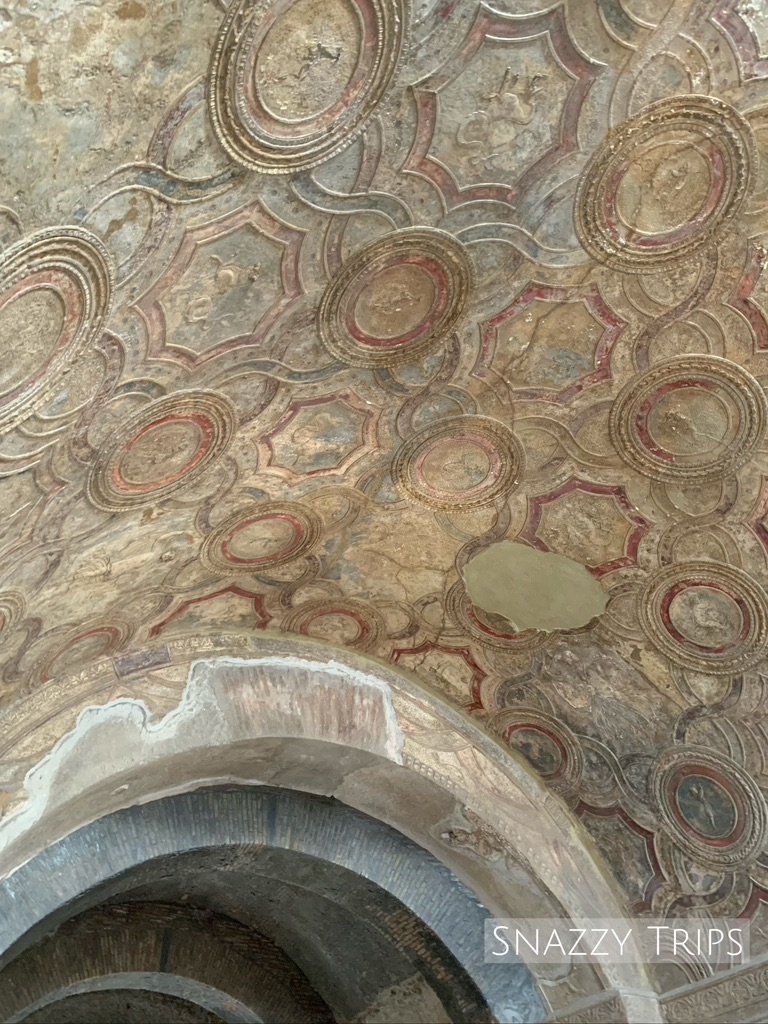
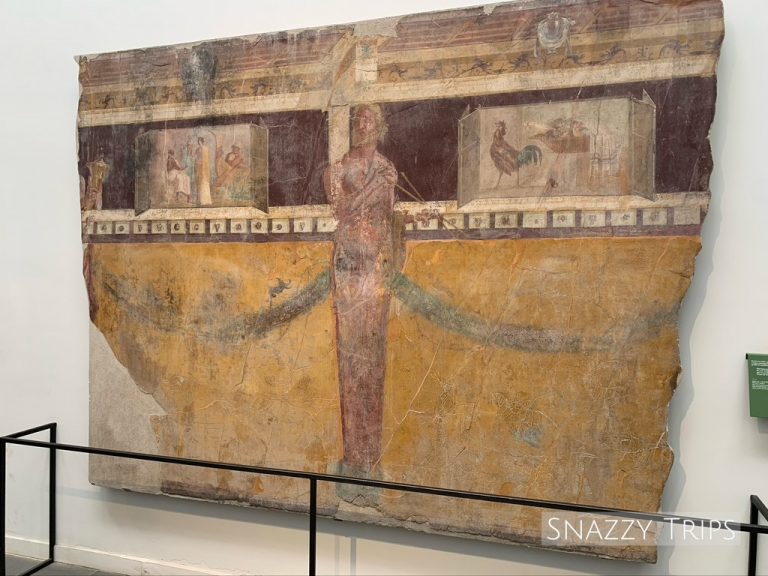
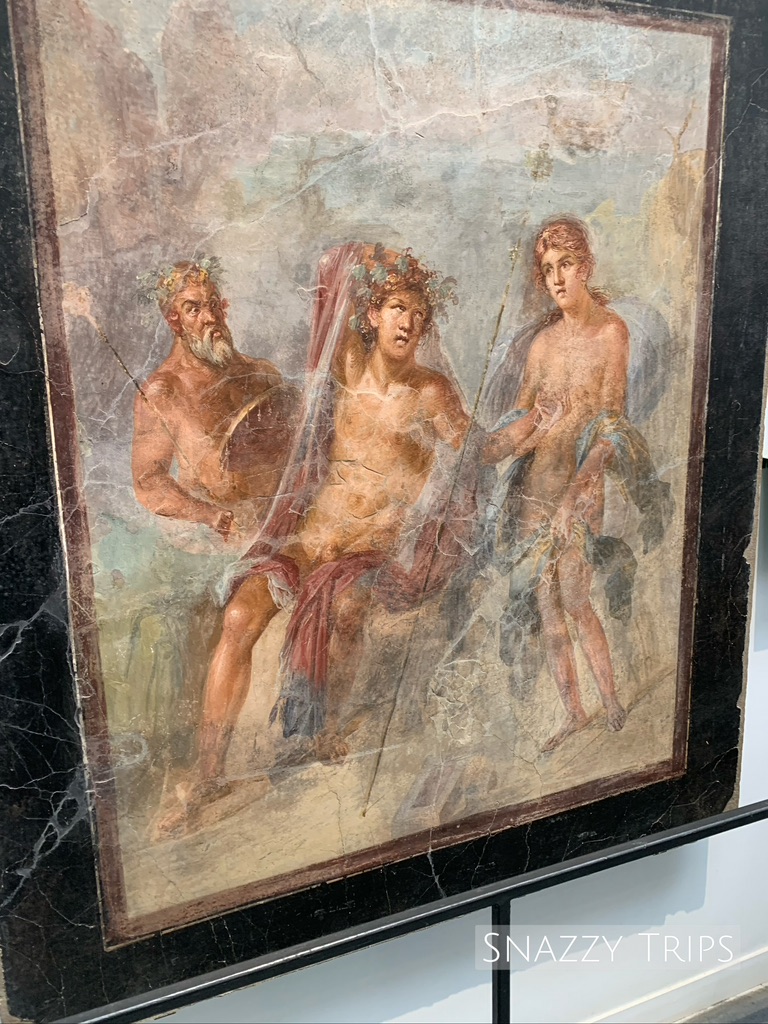
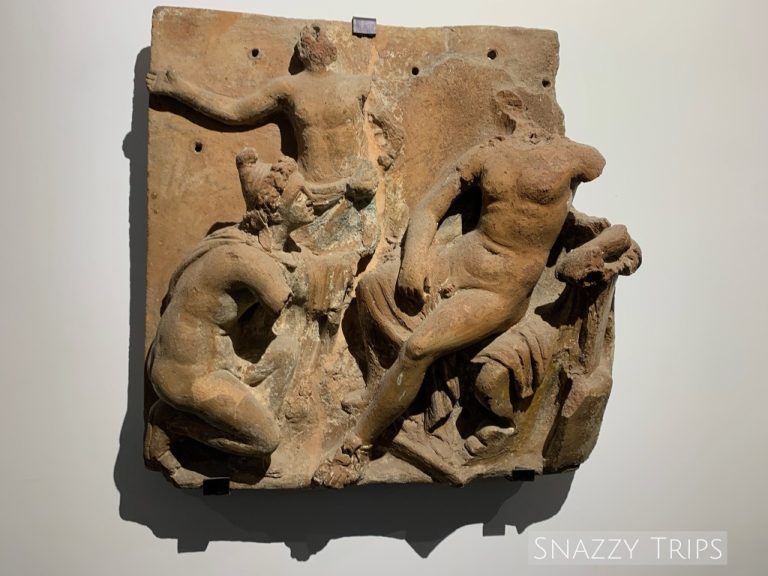
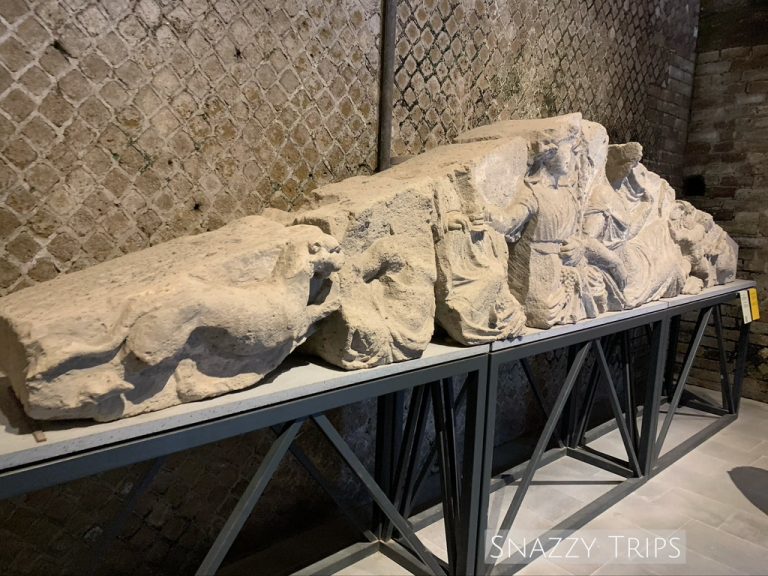
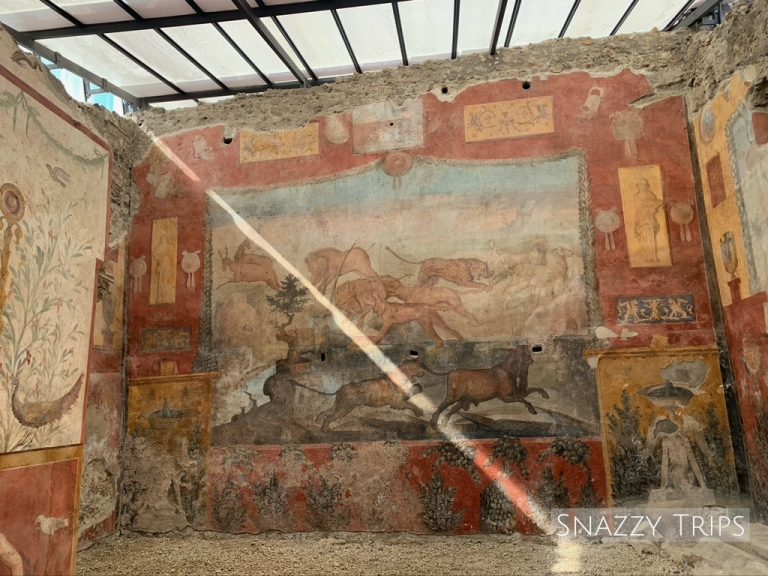
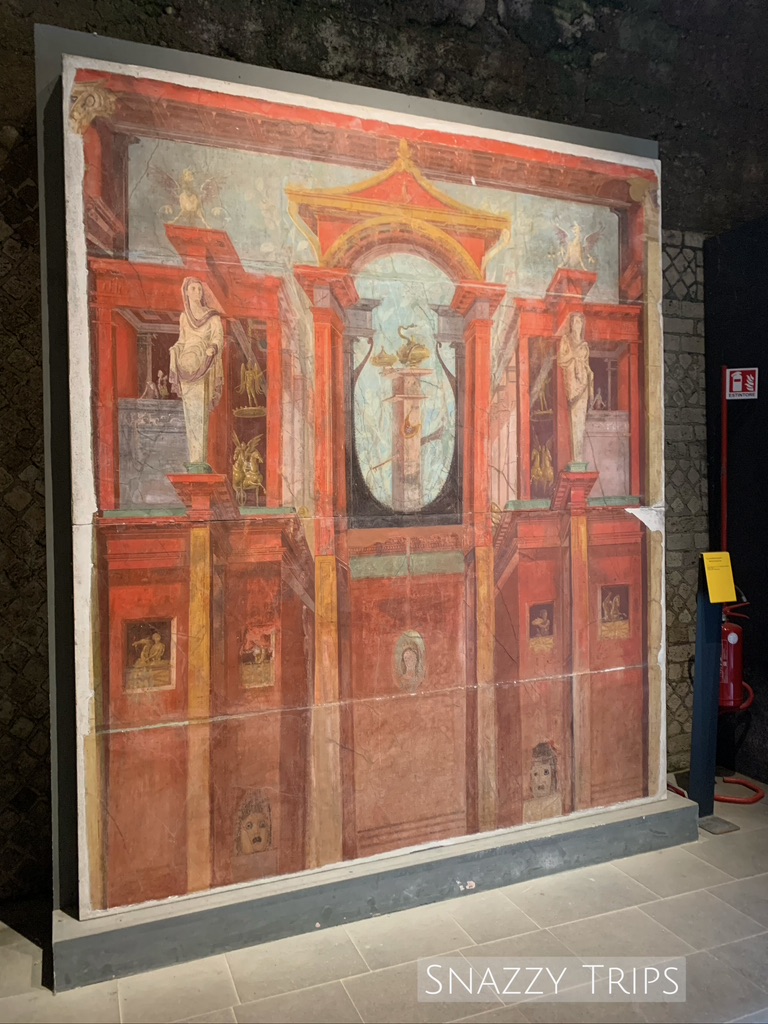
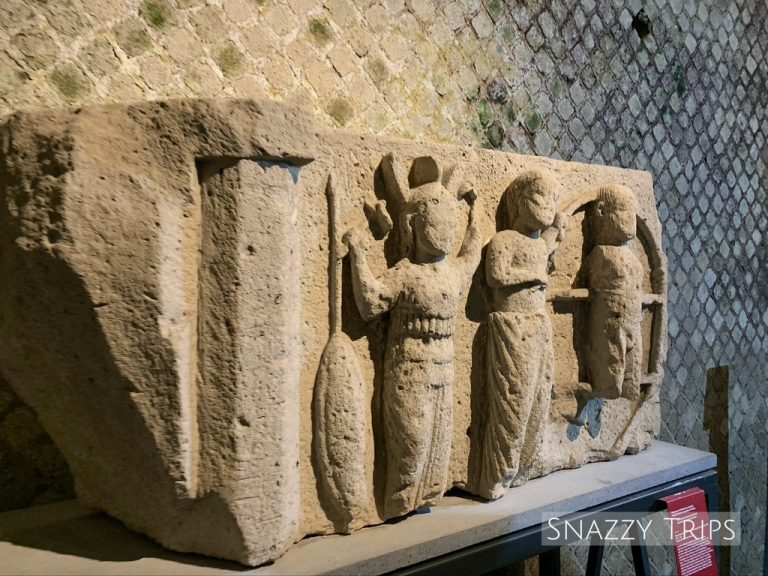
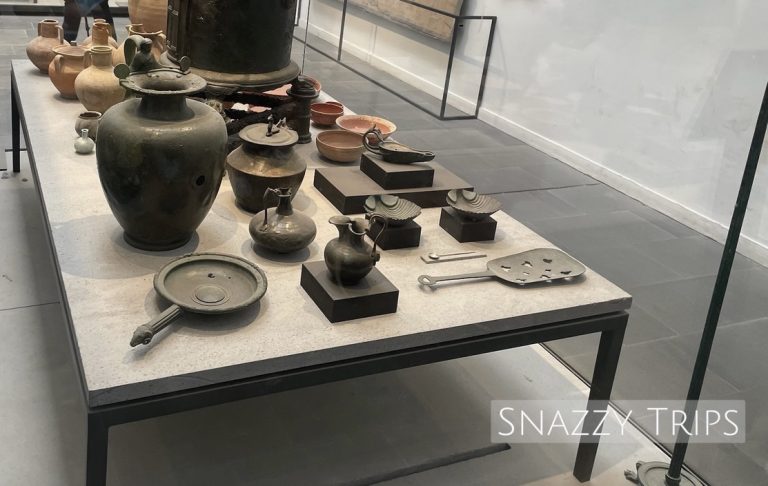
Some must see Pompeii frescoes, sculptures, artefacts
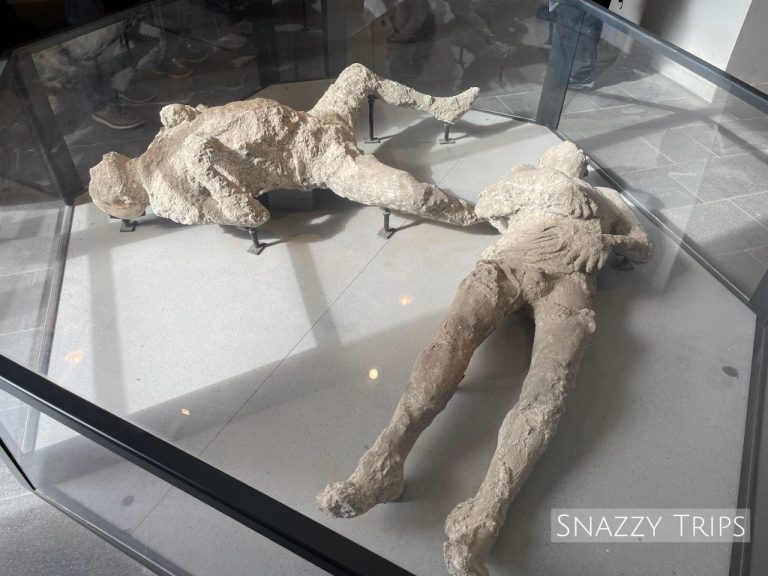
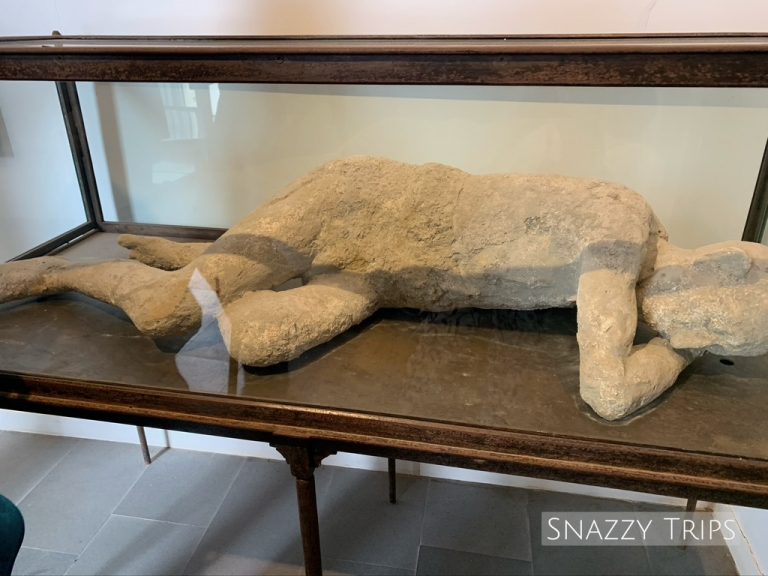
Plaster casts of deceased
Humans and animals that perished in the rubble left cavities in the ground from the decomposed bodies. Some of these voids were later filled in with plaster or resin to make their shape, as you can see from the photos below. The struggle and expression of those poor people in their final moments is quite obvious.
Information for visiting Pompeii
Best time to go: Weekdays. Avoid the busy period, May to September.
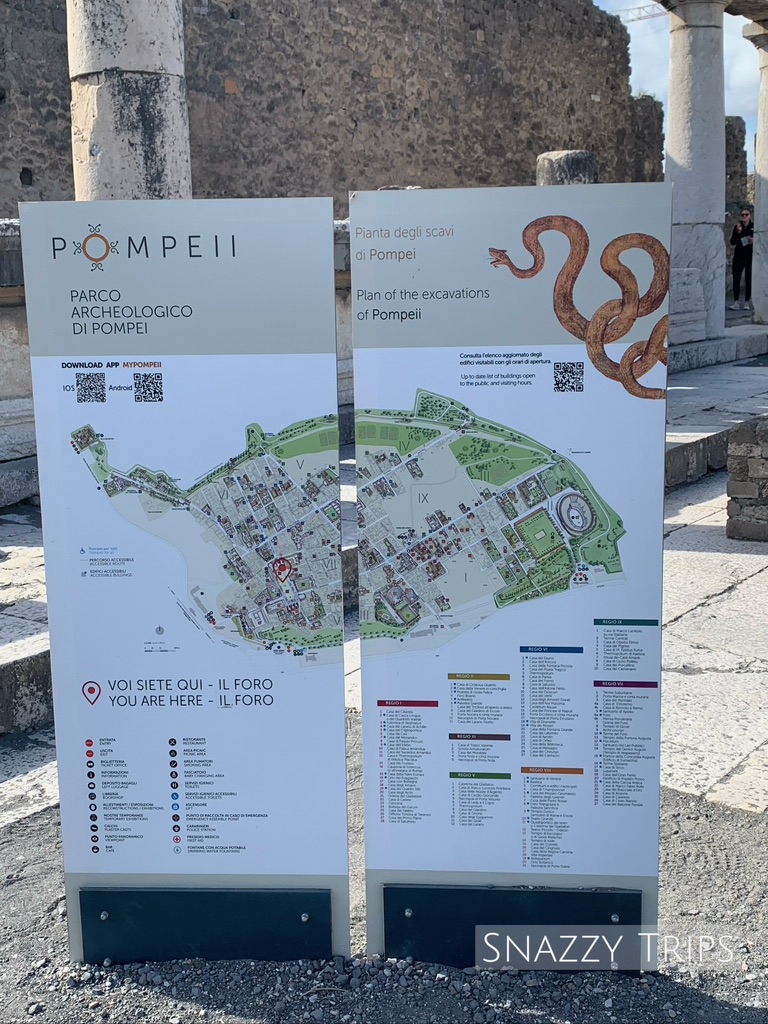
Cost: 22.90 Euros per individual, self-guide with a map.
Main gate: Piazza Anfiteatro.
Entry: From 9.00am daily, including weekends.
Security: Screening checkpoints upon entry. Large bags are prohibited.
Close: Gates close at various times, depending on the season.
App: There is an app you can download, MyPompeii, to help you plan your visit.
Public Holidays: Closed on 25 December, 1 January and 1 May.
Free: Every 1st Sunday of the month entry is FREE.
Time needed: Allow at least 2-3 hours to tour the site. But you can easily spend the whole day there. You can get lost in the maze, as it is quite large.
Works: Areas where work is continuing will be closed to the public.
Museum: Make sure to visit the Antiquarium museum on site, which houses various objects, art and casts from the site.
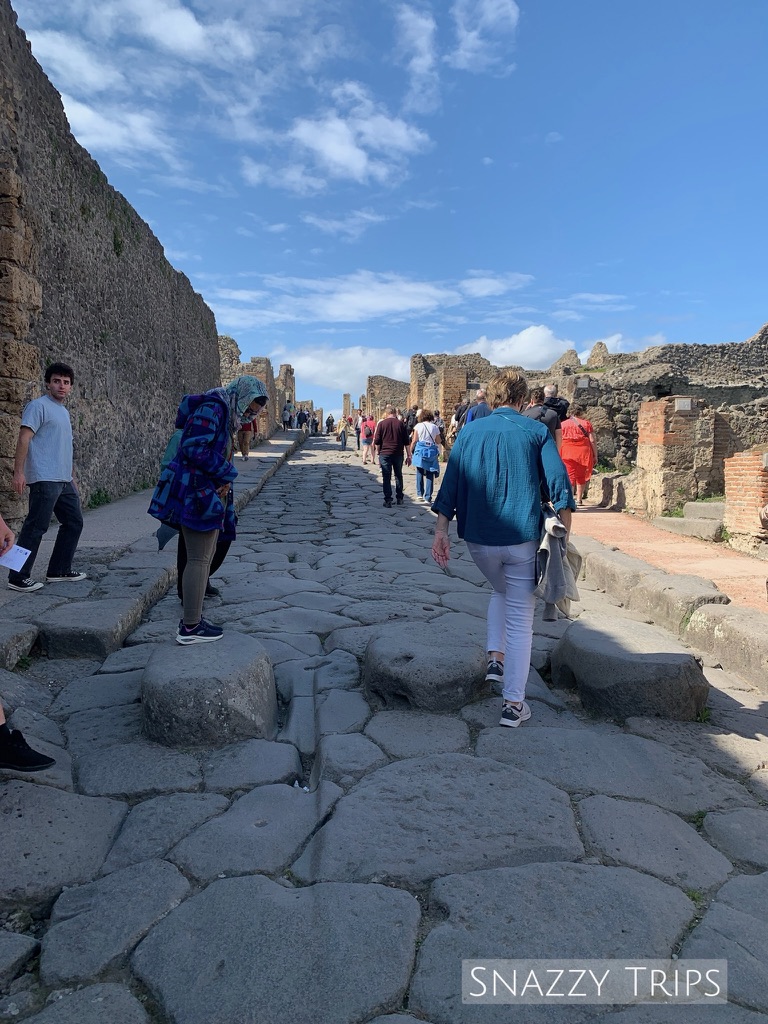
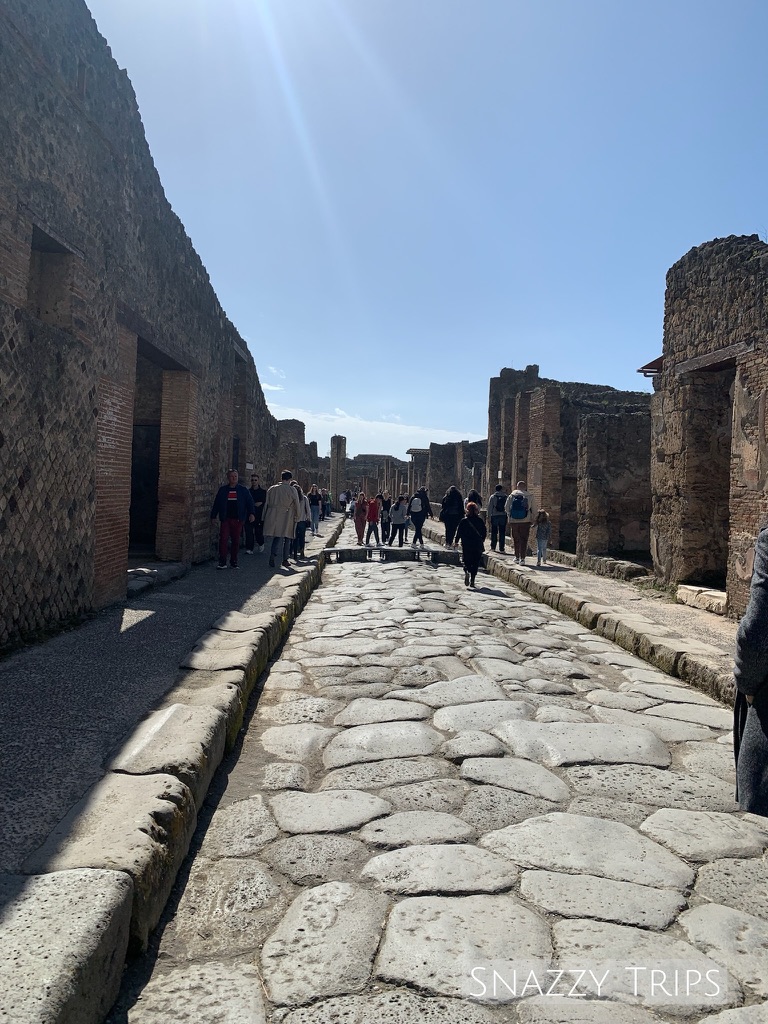
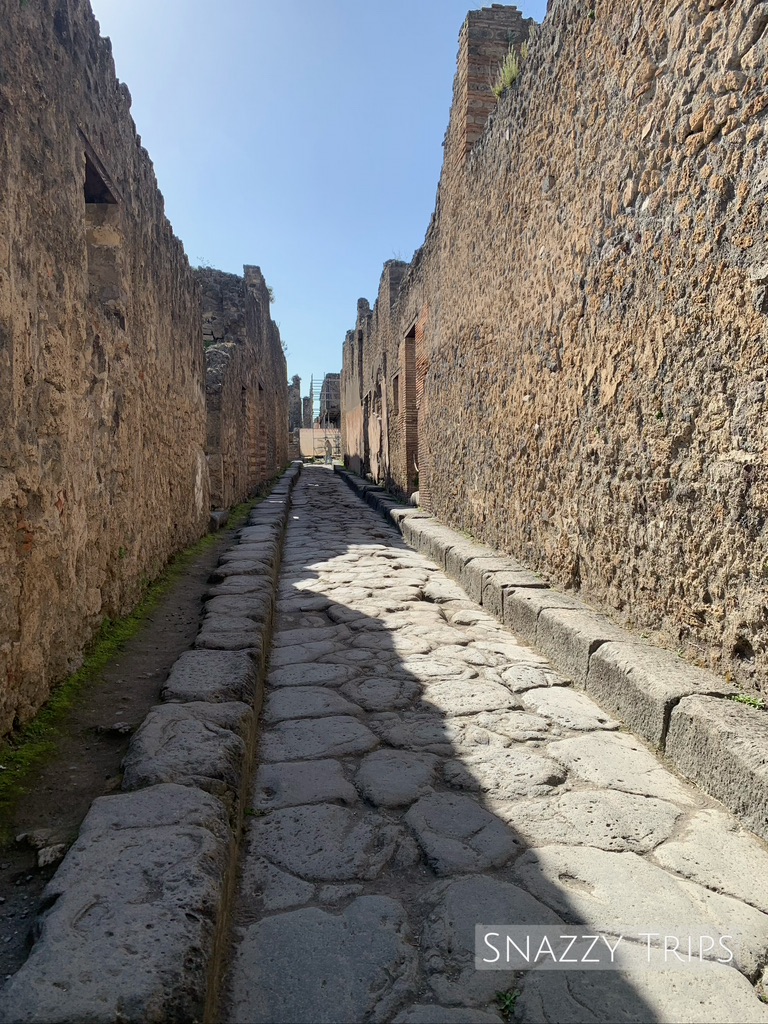
Walking: Be prepared for walking the old Roman roads, on cobble stones and uneven surfaces.
Getting there
The closest cities to Pompeii are Naples, Sorrento, Amalfi Coast, and Salerno.
Train, bus or car are the best travel options to Pompeii.
Road signs in Italy will show Scavi di Pompei.
Train station closest to the site is Pompei Scavi Villa Dei Misteri.
Tours
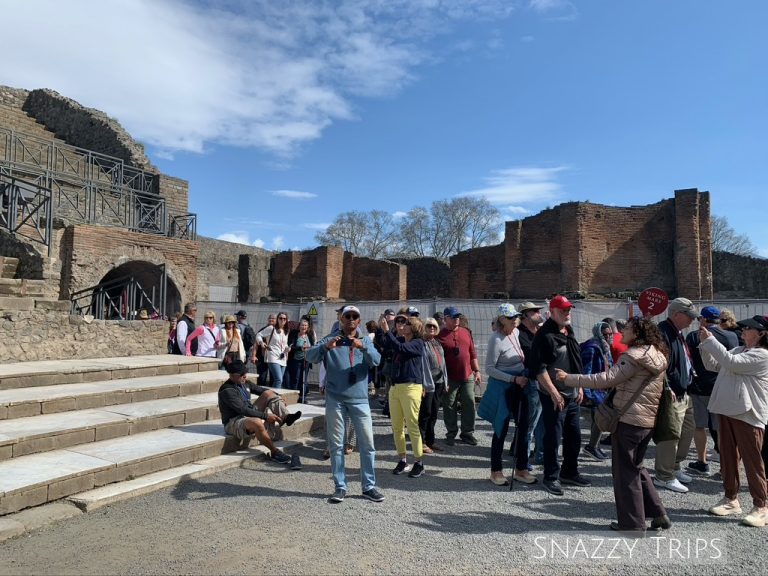
I was super excited to go to Pompeii, in the month of March, on a tour bus from Naples, which included a visit to Sorrento as well. The bus tour was a very pleasant, hassle-free way to travel. I was guided by a wonderful local expert who had a wealth of information to impart with the group. She indulged us with answers to our many questions and comments during the course of the trip, to and from the location, and throughout the excursion as well. It made the visit far more enjoyable and fulfilling than if I had gone on my own.
I definitely suggest going with a local tour guide to get the most out of your Pompeii experience. Whilst they guide you to some of the best sites to see, they will provide in depth commentary on the historical event that took place, as well as information on what the city of Pompeii was like before the eruption. Otherwise, you will miss out on the full picture and valuable details.
A guide is able to get you through the gates without any hassle in a minimum of time, skip the lines, and you won’t waste time trying to find things on a map. Also, you won’t have to worry about getting lost in the labyrinth that is Pompeii.
Recommended tours for Pompeii
Other interesting facts
- Pompei is the commune where the Pompeii archeological site resides.
- It is the second most visited place in Italy after the Colosseum.
- About 2.5 million people visit Pompeii each year.
- A third of this ancient city remains buried, yet to be uncovered.
- It it the longest ongoing archaeological project in the world.
- We are still learning new things about the Roman Empire from recent findings at Pompeii, such as, how they actually made concrete; mostly men wore jewellery; Roman’s were fascinated by exotic places, such as India.
- Vesuvius is still an active volcano, which erupted recently in 1994 and could erupt again at any time.
- The Italian Government has 24 hour monitoring of the volcano and evacuation systems in place.
- It is possible to take a tour of Mount Vesuvius.
- Other nearby towns, Herculaneum, Torre Annunziata and Stabiae, suffered from the eruption and can be visited whilst in the area.
Share this post


17 Comments
Oh Pompeii! Such a sad yet interesting story. Your pictures are great! I would love to visit one day.
Your detailed tips and insights are super helpful for planning our visit. I can’t wait to explore this incredible piece of history with my kids!
The history here is all so fascinating. It is interesting how much has been restored as well. Very impressive that all of this is available to see in Pompeii.
It’s always fascinating to visit historical sites. I definitely would like to see Pompeii in person someday.
It is such a tragedy to read about the city of Pompeii. I am glad that the efforts for rebuilding this city has been an ongoing process.
It looks like you were able to see a lot of historical sites in Pompeii! The weather looks fantastic too.
We were super close to Pompeii but didn’t have time to make the trip. I was a little hesitant as well because it’s such a sad scene!!
Your post is so beautifully narrated. I enjoyed every moment of your reflection of the tours, memories and pictures, of course. The frescos are simply stunning. The guided tour is the way to do it.
Visiting Pompeii is definitely on my bucket list. I visited a Pompeii exhibit in Chicago last year and learned a lot about its history. This post reminded me that I need to go and see it in real life. Thank you for sharing!
It’s shocking that it was possible to salvage anything, particularly artwork. The casts of the bodies is a little morbid and mesmerizing at the same time. Great article!
Pompeii is such an interesting place. I love your photos.
Fabulous post. We went to Pompeii in 2019 and I agree it is definitely a must-see.
Great photos of such a special place to visit!
This must be the kind of place you visit and experience very mixed emotions. I’m curious about the geological events that led to this catastrophe.
Wow, plaster casts looked a bit scary yet interesting. I’d love to visit Pompeii in the future.
Gosh, seeing the plaster casts must be such an experience. Great article!
Wonderful photos!